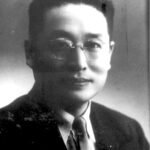
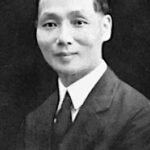
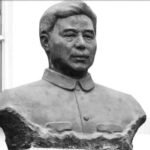
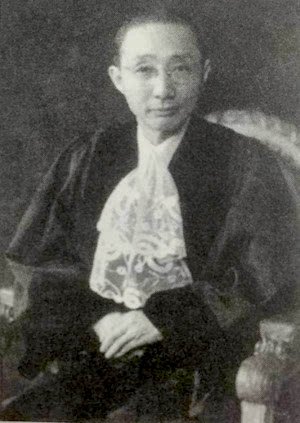
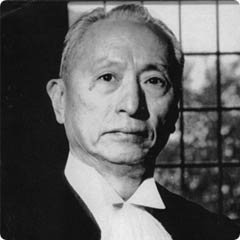
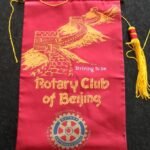
Dr. T. C. Tsao (趙曾珏, 1901–2001), born in Shanghai, was a pioneering Chinese telecommunications engineer and educator. He co-founded the Hangchow Rotary Club in 1931, the first Chinese-speaking Rotary club, and served as its president from 1935 to 1936. Tsao graduated from Jiaotong University’s Electrical Engineering Department in 1924, studied in the UK, Germany, and the US, earning a master’s from Harvard in 1929. He taught at Zhejiang University and became Zhejiang Province’s first telephone bureau director in 1932, rapidly expanding the telephone network with regional exchanges and major trunk lines by 1934. During the Second Sino-Japanese War, he supported wartime communications and power. After WWII, he improved Shanghai’s Public Utilities Bureau as its director until 1949. After emigrating to the US, Tsao co-founded the Chinese Institute of Engineers in 1953. He also contributed to the 1958 reestablishment of National Chiao Tung University in Taiwan and was awarded an honorary doctorate in 1983 for his engineering and educational achievements.
PTG
Dr. T. C. Tsao (趙曾珏, 1901–2001), nascido em Xangai, foi um engenheiro e educador pioneiro em telecomunicações chinesas. Co-fundou o Hangchow Rotary Club em 1931, o primeiro clube Rotary de língua chinesa, e foi seu presidente entre 1935 e 1936. Formou-se em Engenharia Elétrica pela Jiaotong University em 1924, estudou no Reino Unido, Alemanha e EUA, obtendo um mestrado em Harvard em 1929. Lecionou na Zhejiang University e tornou-se o primeiro diretor do departamento telefônico da província de Zhejiang em 1932, expandindo rapidamente a rede telefônica com centrais regionais e linhas principais até 1934. Durante a Segunda Guerra Sino-Japonesa, apoiou as comunicações e a energia em tempo de guerra. Após a guerra, melhorou a gestão do Departamento de Serviços Públicos de Xangai até 1949. Após emigrar para os EUA, co-fundou em 1953 o Instituto Chinês de Engenheiros. Também contribuiu para o restabelecimento da National Chiao Tung University em Taiwan em 1958 e recebeu um doutorado honorário em 1983 por suas realizações em engenharia e educação.
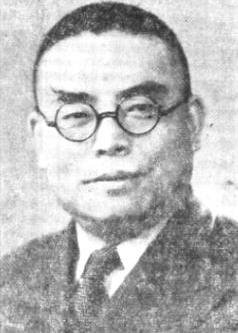
 Dr.-T.-C.-Tsao-趙曾珏博士.pdf