Former Shanghai-Chungking-Taipei Rotarian – Aid Mainland Refugee Chinese Intellectuals to Taiwan
ENG
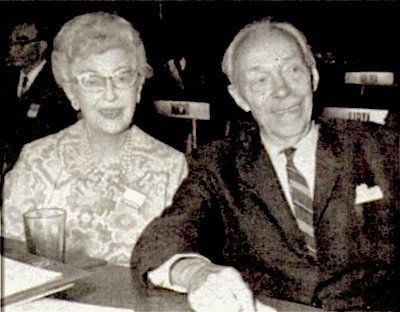
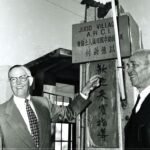
George Ashmore Fitch (1883–1979), born in Suzhou, China, was a prominent Rotarian and Y.M.C.A. leader who played a pivotal humanitarian role during the Second Sino-Japanese War and its aftermath. He presided over the Shanghai Rotary Club (1930–1931) and Chungking Rotary Club (1942–1943) and led the International Committee for the Nanking Safety Zone during the 1937 Nanking Massacre, documenting Japanese war crimes. After World War II, Fitch worked with the Y.M.C.A. in Seoul and received South Korea’s highest honor from President Rhee Syng-Man. Between 1952 and 1963, Fitch and his wife Geraldine lived in Taipei, representing Aid Refugee Chinese Intellectuals, Inc. (ARCI), a U.S. nonprofit founded by Congressman Walter H. Judd. ARCI resettled over 12,500 Chinese refugee intellectuals fleeing Communist China, mainly to Taiwan, providing housing, job placement, and social services, thus preserving important Chinese intellectual resources during the Cold War.
PTG
George Ashmore Fitch (1883–1979), nascido em Suzhou, China, foi um importante Rotariano e líder do Y.M.C.A. que desempenhou um papel humanitário crucial durante a Segunda Guerra Sino-Japonesa e seu período posterior. Foi presidente do Rotary Club de Xangai (1930–1931) e do Rotary Club de Chungking (1942–1943), liderando o Comitê Internacional da Zona de Segurança de Nanking durante o Massacre de Nanking de 1937, documentando os crimes de guerra japoneses. Após a Segunda Guerra Mundial, trabalhou com o Y.M.C.A. em Seul e recebeu a maior honra da Coreia do Sul pelo presidente Rhee Syng-Man. Entre 1952 e 1963, Fitch e sua esposa Geraldine viveram em Taipei, representando a Aid Refugee Chinese Intellectuals, Inc. (ARCI), uma organização sem fins lucrativos dos EUA fundada pelo congressista Walter H. Judd. A ARCI reassentou mais de 12.500 intelectuais chineses refugiados que fugiam da China comunista, principalmente para Taiwan, fornecendo moradia, colocação profissional e serviços sociais, preservando importantes recursos intelectuais chineses durante a Guerra Fria.
中文
乔治·阿什莫尔·菲奇(George Ashmore Fitch,1883-1979)出生于中国苏州,是一位杰出的扶轮社成员和基督教青年会(Y.M.C.A.)领导者,在第二次中日战争及其后的人道主义工作中发挥了重要作用。他曾任上海扶轮社(1930-1931年)和重庆扶轮社(1942-1943年)会长,并领导了南京安全区国际委员会,记录了1937年南京大屠杀中的日本战争暴行。二战结束后,他在首尔继续服务于基督教青年会,并获得韩国总统李承晚颁发的最高荣誉。1952年至1963年间,菲奇与妻子杰拉尔丁在台北生活,代表美国非营利组织“援助中国知识分子委员会”(Aid Refugee Chinese Intellectuals, Inc.,ARCI),该组织由国会议员沃尔特·H·贾德创立,协助一万二千五百多名逃离共产主义中国的中国知识分子主要重新定居台湾,提供住房、就业咨询和社会服务,帮助在冷战时期保存了宝贵的中国知识资源。
Former Shanghai Chungking Taipei Rotarian Aid Mainland Refugee Chinese Intellectuals Taiwan May 2015 George Ashmore Fitch 費吳生 Geraldine This 1883 1979 American Soochow Suzhou Imperial 大清國 Rotary Club 上海扶輪社 1930 1931 During Japan Republic China 中華民國 War Capital Chongqing 1939 President 重慶扶輪社社長 1942 1943 Fraternal Secretary Young Men Christian Association International Committee 1909 Second World When Nanking Massacre 南京大屠殺 1937 1938 Safety Zone Japanese Army December After Seoul Korea Prior 灣省臺北市 1952 Order Rhee Syng Man 大韓民國李承晚總統 The Fitches 1963 Inc ARCI Far East Representative 500 300 Consultant Editor Government Information Office Brains Bargain They Bamboo Curtain 1956 Issue Magazine Page 美國援助中國知識人士協會 1970 Communist Asia Americans Walter Judd 周以德 United States Congressman Nationalist Party KMT 中國國民黨 中國共產黨 1950 Hong Kong Kwangtung Guangdong Province 廣東省 Thousands University There 1951 Eugene Moy 梅其駒 John Leighton Stuart 司徒雷登 1919 1945 Yenching 燕京大學創始校長 Emergency Before Chiang Kai Shek 蔣中正總統 House Representatives Communism Initially Despite Free Cold West Although USEP Unlike Europe Southeast Over Once Juddville 以德新村