Chungking & Changsha Rotary Clubs under Japanese Bombing
ENG
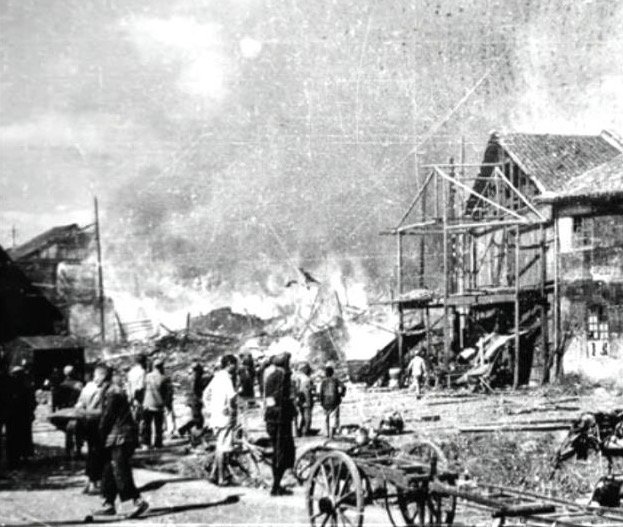
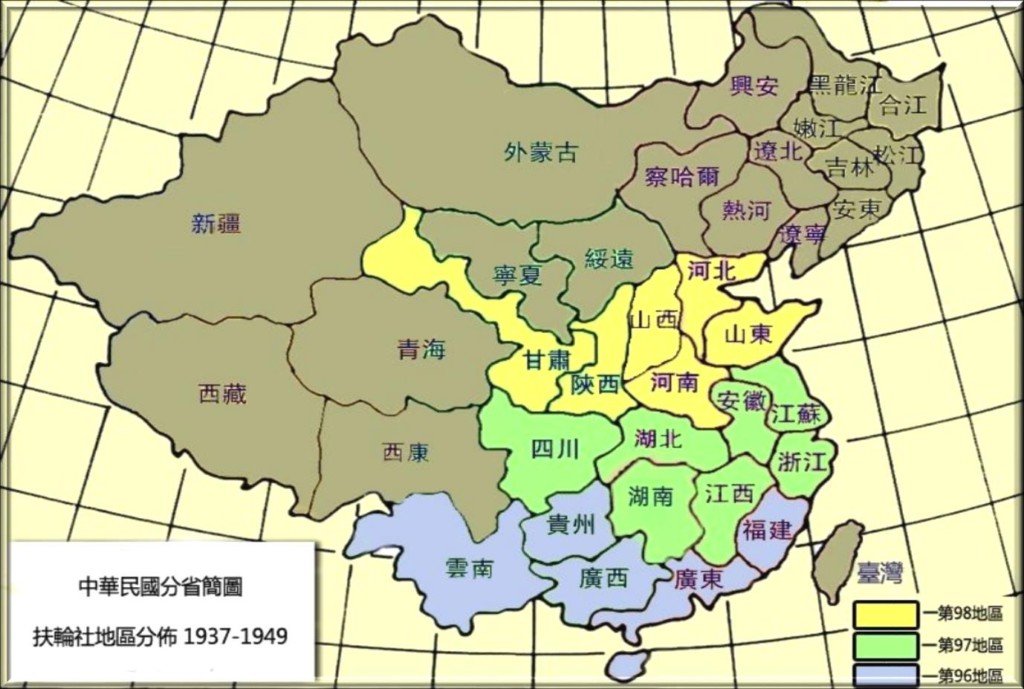
Between 1938 and 1944, Chungking (Chongqing) and Changsha faced severe Japanese bombing during the Second Sino-Japanese War. After losing key cities like Peiping, Shanghai, Nanking, and Wuhan, the Chinese Nationalist government moved its capital to Chungking. The Japanese conducted relentless air raids on Chungking, starting in December 1938 with continued attacks such as “Operation 100” in 1939, causing thousands of civilian casualties and widespread terror. Despite building bomb shelters, tragedies occurred, including a 1941 stampede killing up to 12,000. Changsha, Hunan’s capital, endured four major battles resisting Japanese advances before Chinese forces reclaimed the city. Rotary Clubs in both cities remained active during the war, aiding relief and morale. American surgeon Dr. William Winston Pettus notably provided critical medical care in both cities, organized refugee aid, and helped pioneer blood bank development amid the conflict.
PTG
Entre 1938 e 1944, Chungking (Chongqing) e Changsha enfrentaram intensos bombardeios japoneses durante a Segunda Guerra Sino-Japonesa. Após perder cidades importantes como Peiping, Xangai, Nanjing e Wuhan, o governo nacionalista chinês transferiu sua capital para Chungking. Os japoneses realizaram ataques aéreos implacáveis contra Chungking, começando em dezembro de 1938, incluindo a “Operação 100” em 1939, causando milhares de vítimas civis e terror generalizado. Apesar da construção de abrigos antiaéreos, ocorreram tragédias, como um tumulto em 1941 que matou até 12.000 pessoas. Changsha, capital de Hunan, resistiu em quatro batalhas principais antes de ser reconquistada. Os clubes Rotary das duas cidades mantiveram-se ativos durante a guerra, auxiliando no alívio e no ânimo da população. O cirurgião americano Dr. William Winston Pettus prestou cuidados médicos essenciais, organizou ajuda a refugiados e contribuiu para o desenvolvimento de bancos de sangue durante o conflito.
Chungking Changsha Rotary Clubs Japanese Bombing July 2017 Imperial Army June 1940 Chung Peninsula 重慶渝中半島 The Great 1938 1944 Today 80th Chinese Marco Polo Bridge Incident 七七盧溝橋事變 1937 Peiping Republic China 中華民國北平特別市 October Beijing Shanghai Nanking Nanjing Wuhan Chiang Kai Shek 蔣中正 Nationalist Chongqing Szechuen Sichuan Province 四川省 Southwestern Confronted December This These 1939 They Operation 100 May November From Second World War 1931 Manchuria 1943 823 444 000 Public However 1941 More Tunnel When Throughout 268 Still August 1945 March National Geographic Warphans Carries Indomitable While Free Kunming 昆明社 Sian 西安社 重慶社 Chengtu 成都社 January Lanchow 蘭州社 Kweilin 桂林社 Allied Forces Club 重慶扶輪社 Under Gorges Bulletin Two Thursday Rotarians Last Chen Chaucer Steady Hsu International Peace Committee Tsinan Dent David Ngan His Donald Fan Arnold Lois Vaught 200 Canadian Mission Business Agency Gordon Clara Secretary Chairman General Special Municipality Relief Commission NEXT MEETING Dug Available Some Rotarian Pittsburgh Are Coming 900 News Letter April Know Have Been Bombed 250 Local Currency Fund With Quite Out Truly Please Remember East Wacker Drive Chicago Illinois What Means Donating Reports Convention George Ashmore Fitch 費吳生 President 1942 Presidents Assembly 34th Louis Missouri Soochow 大清國江蘇省吳縣 American 上海扶輪社 1920s 1930 YMCA Young Men Christian Association Safety Zone 國際委員會南京難民區 難民收容所 240 During Massacre February United States Due Excerpt Issue Magazine You Why Our British Dutch And Incidentally There Flying Tigers Chennault West But Most Many Sometimes New Life Movement Victory Hotel Russian Mongolia Tibet Just Polish Poland Flights Back Wellington Koo Court James London Getting Another Japs One Such America Hong Kong Aside Three Colonel Carlos Romulo Manila Philippines Aide Douglas MacArthur Past Vice Lieutenant Dick Harrison Wang Gung Hsing 王恭行 Orleans Louisiana Consul 1950 Known Chengting 王正廷博士 西安扶輪社 35th Now For Even Laughter Battles William Winston Pettus 裴文坦醫生 長沙扶輪社 1912 Yale University Hunan 湖南省 Central Hospital 湘雅醫院 Xiangya South 中南大學湘雅醫院 20221004001113 That Ninety Society English Applause Discussion Forum Germany Russia 300 Let District Governor Director John Ilott Revolution 1911 Americans Sun Yat Sen Peking Bacon 裴德士 1916 College Studies 華文學院 Hsiang First Battle September Japan Hupeh Hubei 湖北省 Kiangsi Jiangxi 江西省 Southeast Asia Crown Colony Canton Hankow Railroad 粵漢鐵路 Maude Petrified Later Whenever Charge Foreign Officer After Your All Every Objects Norwegian Twice Several Early About Six Fresh Annual Ann Sally Pearl Harbor Attack Pacific Hengyang Campaign 衡陽市 360 Sino Eventually Though Usually Finally Stores Before Yolo Shan 嶽麓山 雅禮協會 Kweiyang Guiyang Kweichow Guizhou 貴州省 Friends Ambulance Unit 公誼救護隊 350 Much Saturday Chevy Ford Without Tze 160 Then Fortunately FEA Medical Blood Bank Four Apart 1st 2nd 3rd 4th Luckily Hankou Harvard 120 UNRRA Nations Rehabilitation Recently Each Interested Calcutta Chunking Government Provisional Capital 500 Yankees Yang 楊森陸軍中將 貴州省政府主席 Other Soviet Union Located Imperialist Feeling 長沙戰役