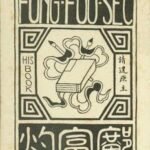
Wu Tie-Cheng (1888–1953) was a significant Chinese revolutionary and politician during the Republic of China era. Born in Kiukiang, Jiangxi Province, with family roots in Guangdong, he studied in China and Japan and actively participated in the 1911 Revolution. Wu held key positions including Mayor of Greater Shanghai (1932–1937) and Songhu Garrison Commander, earning Honorary Membership in the Shanghai Rotary Club. He was China’s first popularly elected county magistrate in 1921 and strongly supported Chiang Kai-Shek’s leadership while opposing communists within the Kuomintang. Wu contributed to anti-Japanese efforts in the Second Sino-Japanese War. Later, he served as Vice Premier and Foreign Minister from 1948 to 1949. After the Chinese Civil War, he moved to Taiwan, where he died in Taipei in 1953. Wu’s legacy represents a bridge between early republican revolution and nationalist politics in mid-20th century China.
PTG
Wu Tie-Cheng (1888–1953) foi um destacado revolucionário e político chinês durante a era da República da China. Nascido em Kiukiang, província de Jiangxi, com raízes familiares em Guangdong, estudou na China e no Japão e participou ativamente da Revolução de 1911. Wu ocupou cargos importantes, incluindo prefeito da Grande Xangai (1932–1937) e comandante do destacamento Songhu, recebendo Membro Honorário do Rotary Club de Xangai. Foi o primeiro magistrado de condado eleito pelo povo na China em 1921 e apoiou firmemente a liderança de Chiang Kai-Shek, opondo-se aos comunistas no Kuomintang. Contribuiu para os esforços contra os japoneses na Segunda Guerra Sino-Japonesa. Posteriormente, atuou como vice-primeiro-ministro e ministro das Relações Exteriores de 1948 a 1949. Após a Guerra Civil Chinesa, mudou-se para Taiwan, onde faleceu em Taipei em 1953. Sua herança representa a ligação entre a revolução republicana inicial e a política nacionalista do século XX na China.


 Wu-Tie-Cheng-吳鐵城.pdf