ENG
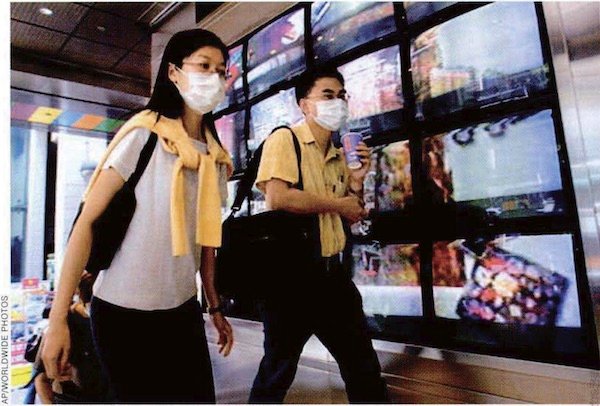
In 2003, Hong Kong endured a severe outbreak of Severe Acute Respiratory Syndrome (SARS), originating from Guangdong Province, China. The epidemic caused 1,750 cases and 286 deaths in Hong Kong between March and June. Transmission was linked to a mainland doctor at the Metropole Hotel and a cluster at Amoy Gardens. The crisis led many Hong Kong Rotary clubs to suspend meetings. Herbert K. Lau, Deputy Information Coordinator of Rotary District 3450, worked with Rotary International to document the local Rotarians’ response, published in The Rotarian magazine in September 2003. Hong Kong’s prevention efforts included public education, contact tracing, isolation, school closures, border temperature screening, sanitation, and collaboration with mainland China and the WHO. Attempts to develop rapid diagnostic tests were also part of the response. This collective action highlighted the Rotary community’s resilience during a major public health emergency.
PTG
Em 2003, Hong Kong enfrentou um grave surto da Síndrome Respiratória Aguda Grave (SARS), originada na Província de Guangdong, China. A epidemia causou 1.750 casos e 286 mortes em Hong Kong entre março e junho. A transmissão foi associada a um médico da parte continental no Hotel Metropole e a um surto no Amoy Gardens. A crise levou muitos clubes Rotary de Hong Kong a suspender reuniões. Herbert K. Lau, Coordenador Adjunto de Informação do Distrito Rotary 3450, colaborou com o Rotary Internacional para documentar a resposta dos rotarianos locais, publicada na revista The Rotarian em setembro de 2003. As ações de prevenção incluíram educação pública, rastreamento de contatos, isolamento, fechamento de escolas, triagem de temperatura nas fronteiras, saneamento e colaboração com a China continental e a OMS. Também houve esforços para desenvolver testes diagnósticos rápidos, demonstrando a resiliência da comunidade Rotary durante essa emergência de saúde pública.
中文
2003年,香港经历了严重的严重急性呼吸综合症(SARS)爆发,该病毒最初于2002年11月在中国广东省出现。疫情在香港造成了1750例感染和286例死亡,传播与一名住在美丽都酒店的内地医生以及红磡海怡花园的聚集病例有关。此次危机导致香港许多扶轮社暂停会议。扶轮区3450的副信息协调员刘国光(Herbert K. Lau)与国际扶轮合作,记录了香港扶轮社成员的应对行动,并于2003年9月刊登于《扶轮人》杂志。香港采取的防控措施包括公众教育、病例追踪、隔离、防控学校关闭、边境体温检测、卫生消毒以及与内地和世卫组织合作,同时推动快速诊断检测的开发。这些集体行动体现了扶轮社区在重大公共卫生危机中的坚韧与团结。

 Hong-Kong-Rotarians-joint-fight-against-SARS-2003.pdf