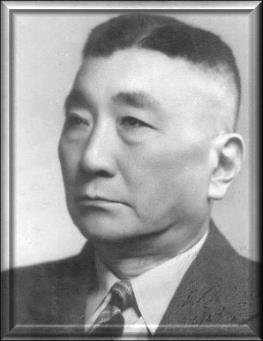
中文版在第 上海扶輪社的 中華企業之王 劉鴻生博士 Shanghai Rotarian Lieu The King Enterprises China Herbert Lau 劉敬恒 Rotary Historian January 2015 Ong Sung 1888 1956 Honorary Doctorate John University Club 上海扶輪社 1930s Due Imperial Japan Hong Kong June 1938 Franklin 劉念仁 Julius 劉念義 December 1940 Republican Central Government Wartime Capital Chungking Chongqing 陪都重慶 His Classification Chemical Industry Matches Manufacturing October 1951 Rotarians Vocational Service Chinese 20th Century 1920s 1940s Coal Wool Cement Considered Communist Party 1949 People National Congress Political Consultative Conference Ningbo Merchants Steam Navigation Company Liu 1894 Middle School English However 1907 Miss Zhen 葉素貞 Cheng Zhong 葉澄衷 She Business Ventures 1909 Kailuan Mining Administration Sino British Companies Briquette Portland Works Limited Great Match East Chung Hwa Wharf Yuan Development Bank General Insurance Flagship 大中華火柴 Era May Fourth Movement 1919 Kyih 劉吉生 1889 1962 1920 鴻生火柴廠 Suzhou Lower Yangzi Jiujiang Japanese Swedes Ivar Kreuger Swedish 1930 122 037 Yangtze River Delta 1936 July 1931 1932 Under Manufacturers Association 1934 Joint Sales Office Crown Colony 英國殖民地香港 Once Peng Chau Island 1939 Ltd 大中國火柴有限公司 300 000 April 250 Initially 500 August Kowloon 九龍火柴 大中國火柴 55555 Demand Macao Southeast Asia 600 1941 Factory During Pacific War 1945 Pakistan Indonesia Singapore Thailand 1950 1970s 1976 2006 Relations Republic Nationalist Right 1948 Chiang Kai Shek 蔣中正 Nationalists 1937 Production Union Second Relief Rehabilitation Municipality Councillor November Thus Committee 1952 Five Anti Campaign 五反運動 Red Cross Society 1955 RMB Rong Yiren 榮毅仁 Regret 上海水泥股份有限公司董事總經理劉鴻生博士的研究報告 中國工業的一些重大問題 日發表在美國政治和社會科學院的學報 Research Certain Vital Problems ANNALS American Academy Social Science 上海扶輪社社員 中華民國三十七年 大中華火柴股份有限公司股票 總經理是劉念義 Share Certificate Manager 劉鴻生的火柴商標與產品 Brand Names Products 1933 年美國芝加哥世界博覽會的大中華火柴 大中華火柴股份有限公司 美麗牌配煙火柴 Chicago World Expo Cigarettes 社會主義公私合營 蘇州鴻生火柴廠 Socialistic State Private Ownership Soochow 新豐保險股份有限公司 火災保險單 Xinfeng Fire Policy 公私合營新豐保險股份有限公司股款收據 股東即是劉鴻生 股額為三佰 陸拾壹股 每股人民幣拾元 合人民幣三千陸佰壹拾元 背面有 1957 日轉讓記錄 映出在劉鴻生去世後 這些股份轉讓過戶給了其次子劉念義 Shares Receipt 361 倡議建立上海 中山醫院 醫學院 發起人簽名 其中一位是劉鴻生 簽名者還有上海扶輪社的牛惠生 陳光甫 南京扶輪社的徐謨 劉瑞恒 中山醫院創建時是隸屬于國立上海醫學院的教學醫院 日正式開業 為紀念中國民主革命的先驅孫文而命名為 孫中山紀念醫院 年後曾在不同的 時期命名上海第一醫學院附屬第二醫院 上海第一醫學院附屬中山醫院 上海醫科大學附屬中山醫院 2001 年隨著上海醫科大學併入復旦大學而改用現名 復旦大學附屬中山醫院 Sun Yat Sen Memorial Hospital Medical Faculty There Nanking 劉鴻生紀念銅像在上海落成 夫人葉素貞的紀念碑豎立在後面 Statue 年代參加上海扶輪社 成為社員 由於日本帝國的入侵並佔領上海 劉鴻生於 月轉移到香港發展火柴生意 留下長子劉 念仁和次子劉念義負責上海的業務 月劉鴻生應中華民國中央政府要求到臨時首都重 慶協助處理經濟事務 留在上海的次子劉念義在 日也加入了上海扶輪社 了劉鴻生的扶輪職業分類 化學工業 火柴製造 年上海扶輪社結束 1967 年文化大革命中 劉念義被造反派成員批鬥 毒打後 從高層建築上墜下死亡 劉鴻生是中國近代著名愛國實業家 以經營開灤煤炭起家 後將資本投資火柴 他由一個從事十年買辦生涯的商人 年的經營活動 成為集 煤炭大王 火柴大王 毛紡大王 水泥大王 等等於一身的 企業大王 經營領域遍佈輕重工業 運輸業 商業和金 創立了近代中國數一數二的民族企業集團 年社會主義公私合營時期 劉鴻生是當 時中華人民共和國内僅次於榮毅仁家族的最富有企業家 在近代上海 民族工業產生集團型的壟斷企業很多 但像劉鴻生這樣 整合整個火柴產業組 建托拉斯 卻非常少見 托拉斯是壟斷組織的高級形式之一 由許多生產同類商品的 企業或產品有密切關係的企業合併組成 劉鴻生在煤炭銷售和開採 保險經營等多個領域建立起托拉斯 成為民國時期的商業傳奇 劉鴻生是一個天生的銷售奇才 個人財富的增長 加上民族企業勃興的刺激 他開始投資實 世紀二三十年代 他先後投資火柴 煤炭等行業 尤其以在火柴業的影 響最巨 劉鴻生在上海四川路 號建起宏偉的八層企業大樓 將他的企業集中在這幢 樓裡面辦公 一層是中國企業銀行 三層是開灤煤炭售品處和他本人的辦公室 四層是水 泥公司 碼頭公司 華東煤礦公司 五層是大中華火柴公司 六層是章華毛紡織公司 劉鴻記帳 劉氏其他的中小企業 七層是保險公司 律師事務所和醫務室等 他自己的公館搬到了八層 旗下產業管理總部均設在此處 形成了民國時期罕見的多元化控股集團 劉鴻生的本事歸納起來有兩點 一聚一散 1924 1928 國內火柴業劇烈競爭 劉鴻生主張併廠集資 聯合對外 借圖競 這些主張推動了大中華火柴公司的組建 對抵制外資起了一定作用 在這一過程中 劉鴻生 全副精力地投入 只要與事業有益 不計巨細 不辭勞苦 於事無補 或不相關的 絕不浪費一 絲一毫 精力與金錢都用在刀刃上 這也就是兵法所云集中兵力的意思 劉鴻生絕對主張多元化 他投資的門類多達 多種行業 跨越工 金融等部 他辦好一個廠 就用這個廠作抵押辦第二廠 辦好第二個廠 又作抵押搞第三個廠 在子女教育上 劉鴻生也搞 多元化 個兒子 個女兒 分別送到不同的國家 學習不同的專業 兒子們學經濟 女兒們學家政 他常在朋友面前得意地說 我一生有兩個得意的投資 一個是工礦企業 一個是子女教育 將來不管哪一國的勢力來統治 我總有我的子女出來應付局面 劉鴻生說 我的創業史 是一部經過迂回曲折 嘗遍辛酸苦辣的歷史 我的全部理想 是爲了發展民族工業 我總希望把我的企業一個變成兩個 一個獨立的 自由的 業化的 富強的國家就要在我們面前出現 這正是愛國的民族資本家所嚮往的道路 中華人民共和國建政後 劉鴻生的政治和社會活動經歷 任華東軍政委員會委員兼財經委員會委員 生產救災委員會委員 入中國民主建國會 任上海市人民政府委員 中國民主建國會中央常委 民建上海市分會副主任委員 民建上海市委副主任委員 中華全國工 商業聯合會籌備委員會委員 中華全國工商業聯合會常務委員 上海市工商業聯合會副主任委 也是第一屆全國人民代表大會代表 第一屆上海市人大代表 全國人民政治協商會議第二屆 上海市一屆三次各界人民代表會議協商委員會副主席 上海市人民政治協商會議第一屆常 務委員 還任中國人民保衛世界和平委員會上海分會副主席 中國紅十字會總會副會長兼上海分 會副會長 中國人民救濟總會上海市分會副主任委員 上海市失業工人救濟委員會經濟審核委員 會主任等職 的人生歷程 光緒十四年 農曆三月初五生於大清國江蘇省上海縣 劉鴻生祖籍浙江省寧波府定海 祖父劉維忠 在上海寶善街開設了一家供人看戲飲茶的 丹桂茶園 生意還算興隆 劉賢喜 經人介紹 在招商局的輪船上做總帳房 除了每月優厚的薪水 還經常利用輪船往來的 便利夾帶私貨販賣 從中牟利 因此家庭生活還算富裕 祖父總責備劉鴻生的父親只能為人傭 而不能傭人 受祖父的影響 劉鴻生自幼便立志在經濟上做自己的主人 歲那年 突然病逝 儘管家境變得貧寒 但劉鴻生的母親為了不招致鄰人的恥笑 還是絞盡腦汁 含辛茹 苦地維持著兒子的學業 並最終把他送進了一般人很難考入的上海聖約翰大學 1906 光緒三十二年 劉鴻生就讀於上海聖約翰大學 而劉鴻生由於才智出眾 成績優異 給校方留下了很好的印象 不僅免去了全部學費 還有每月 元的生活補助 正是在這裡 學得了一口流利的英語和與洋人打交道的經驗 大學二年級時 美國籍校長卜舫濟 Francis Pott 決定送他到美國去學習神學 劉鴻生本可以由此繼續留學深造 獲得一個良好的人生 但他因不服從校長培養他當牧師的安排 被開除學籍 輟學後 到職業學校任教 入上海 公共租界工部局老閘巡捕房 Louza Police Station 做教師 1908 光緒三十四年 劉鴻生考入上海英租界會審公廨當翻譯 約半年後 轉入意籍律師 穆安素 Musso 事務所工作 宣統元年 劉鴻生入英商開平礦務局 任上海辦事處推銷員 為開平煤打開銷路 1911 宣統三年 劉鴻生升為開平礦務局 1912 改稱開灤礦務局 設立帳房 賺取傭金 又與上海義泰興煤號合作 經銷開灤煤 分取利潤 1914 1918 年第一次世界大戰期間 劉鴻生自租船隻 由秦皇島裝載開灤煤運滬銷售 約有三年 賺銀百萬餘兩 民國七年 為擴展煤炭經營 劉鴻生與義泰興煤號等夥設義泰興董家渡煤棧 並委託 英商殼件洋行 Hopkins Dunn 經理碼頭業務 他又在上海及長江下游各埠與 人廣設銷煤機構 劉鴻生自己購進了浦東董家渡沿江 100 建成泰興碼頭 後改爲中 華北棧碼頭 劉吉生兩兄弟在上海創立 中華工業廠 其前身為華英花邊廠 由劉鴻生捐贈 萬銀元 朱葆三 王啟宇 劉寶餘等 103 名紳商襄助萬餘銀元 督教會贊助 在鎮鼇山下創辦定海公學 今天浙江省舟山中學前身 四運動 提倡國貨 抵制外貨 使民族工業得到進一步發展 月由劉鴻生 杜家坤等 人合資 在蘇州創辦鴻生火柴廠 命名為 華商鴻生火柴有限 他佔四分之三 這是劉鴻生資本向工業企業轉化的起點 與趙文煥 義泰興 鬱燮釗 顧松壽等旅蘇煤商合作建立 蘇州同和義號煤炭行 行址設北壕 與朱葆三等人合創 中華煤氣公司 中華碼頭公司 上海水泥公司 任董事長 經理等職 1921 年上海聖約翰大學授予劉鴻生名譽博士學位 並聘請他擔任校董會主席 劉鴻生發 起成立 上海煤業銀行 劉鴻生在北首續購 200 建成中華南棧碼頭 年劉鴻生收購燮昌火柴公司蘇州分廠 由開灤礦務局與劉鴻生及義泰興煤號合作設立 開灤售品處 1926 年劉鴻生捐資 萬元創辦私立鴻貞女子中學 定海女子初級中學 後併入定海公學 天浙江省舟山中學前身 張嘉甫等人在上海創辦 中華煤球股份有限公司 初始資本 廠址浦東董家渡義泰興煤棧 再在周家渡岸邊購置土地 中華周家渡碼頭 1927 年合併中華碼頭公司 把周家渡 北棧兩處劃爲煤炭專用碼頭 南棧供雜貨裝卸 並建有 鋼筋水泥三層倉庫一座 其他倉庫 總面積達 萬平方米 由劉鴻生 劉吉生與王 榮先在江陰合股開設 江陰生泰恒煤號 大華保險公司 在上海成立 先後在南京 營口等地設立保險代理處 經營水險 火險和意外險 以及信用險 汽車險 兵盜險等業 1929 年世界經濟危機波及中國 民族企業為謀求應變之道 劉鴻生等發起成立全國性工業聯合 中華工業總聯合會 公推劉鴻生為主席 該會在山東 蘇州等處設 有分會 並向政府實業部取得推派代表出席每年一次的國際勞工大會資格 組織全國火柴同 業聯合會 任主席 同時任中國國貨銀行監察人 年劉鴻生合併燮昌 中華三家火柴公司組設 大中華火柴公司 任總經理 杭州設 家火柴廠和 家梗片製造廠 與人合辦 華豐搪瓷廠 將他的企業集中在這 幢樓裡面辦公 張公權 胡孟嘉等發起組織 中國企業銀行 額定股本國幣 設總行於上海四川路 聘請上海商業儲蓄銀行創辦人陳光甫 上海扶輪社社 爲顧問 劉鴻生任董事長 並任政府全國財政委員會委員 年底為止 劉鴻生的企業投資 包括公司股票 合資股份及船舶碼頭三項 745 萬餘元 被稱為中國的 劉鴻生應行政院院長兼財政部部長宋子文和實業部部長孔祥熙的要求 出任國營 輪船招商局總經理 不料卻受到政府一些大員的責難和牽制 年春辭職 輪船公司 月大中華火柴參展美國芝加哥世界博覽會 Fair 劉鴻生任 政府全國經濟委員會委員 農村復興委員會委員等職 並出任寧波旅滬同鄉會理事 副會長 海公共租界工部局華人董事 劉鴻生創設 中華工業公司 投資上 海五豐 成豐等錢莊 為迎合人民愛國心理 九一八 薄嗶嘰 除原有 上海南京路門市部外 在蓬萊市場 曹家渡添設門市 年又在南京 杭州設門市部各一所 並在天津開設分廠 月抗日戰爭爆發後 劉鴻生在日本侵略軍佔領區內的企業受到損失 八一三事變 淞滬戰爭發生 劉鴻生即參加上海市各界團體聯合會組織的上海市各界抗敵後援會 以上海紅十 字會會長的身份 兼任上海市傷兵救護會會長 上海扶輪社社員參加聯合行動 並擔任上海市抗 戰物資供應委員會總幹事 全力以赴支持抗戰 無遑顧及自己所有企業 月劉鴻生拒絕日本侵略軍扶持的上海商會擔任會長 遠走英國殖民地香港 在香港註冊成立 資本金為三十萬港元 大中國火柴廠在坪洲投入 當時是全東南亞最大的火柴工廠 年秋劉鴻生由香港回國 去西部重慶創建中國毛紡織廠渝廠 廠址設李家沱 在重慶 東山等地設 建國水泥公司 嘉華水泥公司 安電池廠 中國毛紡織公司 在蘭州設 西北洗毛廠 西北毛紡織公司 在貴陽設 氯酸鉀廠 在昆明和越南海防設磷廠 在廣西設化工廠 劉鴻生以大中華火柴廠旗下九江裕生火柴廠內遷原料 與重慶華業火柴廠 合資重組 華業和記火柴公司 劉鴻生為解決火柴原料供應問題 聯合四川 貴州火柴 個廠家成立 中國火柴原料廠股份有限公司 月劉鴻生接受行政院院長蔣中正的邀請 在重慶擔任政府火柴專賣公司總經理 專賣總局局長 1943 月由劉鴻生與陝西地方官僚合作開辦 西北毛紡織廠 月抗日戰爭勝利後 劉鴻生就任中華民國行政院善後救濟總署執行長兼上海分署署長 經濟部計劃委員會委員 上海市政府諮議委員 通過政治關係 劉鴻生從日本人手中收 回章華紡織廠 1946 劉鴻生在淪陷區的企業全部收回 但除火柴和碼頭業有暫時的發展外 其餘企業經 營都很困難 由於當時洋貨傾銷 時局動亂 通貨膨脹 物價飛漲 整個民族工業都陷於困境 政府實行 金圓券 以行政手段強迫民間以黃金 外幣兌換 但不能兌現 劉氏企業被迫繳黃金 230 經濟上的沉重打擊 劉氏企業遂全部陷於癱瘓 劉鴻生任全國船舶調配委員會主任 招商局理事會理事長 為已是強弩之末 的招商局勉盡餘力 國民政府對招商局全面軍管 國民黨準備將招商局遷往 劉鴻生再一次掛冠而去 年中國共產黨攻佔上海前夕 國民黨上海市社會局局長陳保泰武裝劫持劉鴻生 乘飛機到 廣州參加緊急會議 準備轉移到臺灣 到廣州後 劉鴻生設法避開監視 秘密轉到香港 次子劉念義專程來到香港 向劉鴻生介紹上海社會秩序 良好和企業恢復生産的情況 希望他回上海主持企業經營 回國後 政務院總理周恩來 上海市 長陳毅分別接見劉鴻生 向他詳細闡述 公私兼顧 勞資兩利 發展生產 繁榮經濟 的政策 朝鮮戰爭爆發 中國人民開展抗美援朝運動 劉鴻生在工商界中帶頭捐獻飛機大 並動員劉氏企業在捐獻中盡最大努力 上海水泥公司董事會與全廠職工一起積極回應 舊人民幣 光是上海水泥業界就捐了 架戰鬥機 1953 劉鴻生參加了中華全國工商業聯合會第一屆會員代表大會 聽取了中國共產黨中 央統一戰線工作部部長李維漢關於在過渡時期總路線的報告 全國開始進入大規模的 有計劃的 經濟建設時期 實現對資本主義工商業的社會主義改造 逐步廢除資本主義所有制 建立社會主 義公有制 經過國家公私合營這一主要環節 實現資本主義所有制的變革 過渡到社會主義 1954 劉鴻生偕其四子劉念智以章華毛紡織廠董事長和總經理名義 向上海市工業生產 委員會提出 爭取公私合營申請書 上海水泥公司召開董事會 在劉鴻生的提議下 作出創造條件儘早實現公私合營的決議 並向政府提出申請 獲准公私合營 劉鴻生有 個企業實現了公私合營 劉鴻生在全國各地價值超過人民幣 萬元的企業 全部實現公私合營 劉鴻生因心臟病在中華人民共和國上海市逝世 做煤炭生意讓劉鴻生掘到第一桶金 歲就得到了 的美譽 International Settlement Municipal Council 翻譯周良卿介紹 進入英商上海開平礦務局任推銷員 劉鴻生在開平礦務局工作十分勤 經常分析 研究各方面的銷煤 用煤情況 沒多久他就使開平煤在上海及周圍地區打開銷路 銷售量激增 接著劉鴻生又根據用戶的需求 制定了按時 按量的調運計劃 幫助客戶節 約了煤炭倉儲費用 因而贏得了用戶的普遍歡迎 由於經營管理的改善 開平煤的銷售迅速拓展 又經劉鴻生的實地推廣 原來許多燒木柴的窯竈也改用煤炭做燃料 銷售量更是與日俱增 業務的發展 公司決定將上海 南通等地劃給劉鴻生獨家經銷 並設開平礦務公司 上海售品處 掌管上海及長江下游的售銷業務 年劉鴻生被提升爲上海售品處的買辦 接著公司在經營上又採取了一系列措施 海建造了專用碼頭 開平碼頭 開設煤炭堆棧 加速運輸 保證供應 採取薄利多銷 跌價競銷 的策略 將一些小型煤礦擠出市場 在上海開設元泰煤號 在南京 蕪湖等地開設 生泰恒煤號 在南京等長江口岸建造開平公司專用碼頭和堆棧 以運輸與倉儲的優勢 控制了這 些地區的煤炭市場 英商開平礦務公司兼併了灤州礦務局 將兩礦改組成爲開灤礦務 續聘劉鴻生擔任開灤礦務公司售品處的買辦 從此經銷量驟增 年第一次世界大戰 開灤公司的英國籍職員大都應召回國參軍 煤礦業務都交由劉鴻生打理 當時國內工業由 於洋貨進口減少而空前發展 用煤量增加 開灤公司最多一年銷售量達 劉鴻生的年收 萬元以上 年第一次大戰結束時 年齡不滿 歲的劉鴻生 積累財富 得到了 月劉鴻生投資福泰煤號 在這段時間裏 實地了解了上海居民使用手工製作煤球 的情況 月創辦了國内第一家用機器製作煤球的 廠址設 在浦東 並在上海四川路設立樣品陳列室 展出機製煤球和改裝後的煤球爐 採取購買機製煤球 贈送煤球爐的推銷方法 受到廣大用戶的青睐 後來又組織煤球聯合會 統一質量規格和銷售價 不幾年 機製煤球就逐步替代了手工煤球 摯友地質專家丁文江 天津扶輪社社員 告知劉鴻生 徐州賈汪煤礦無論儲量 還是煤質 足以與開灤礦務公司相抗衡 而當時的賈汪煤礦由於連年戰亂 經營不善 早已負 債累累 劉鴻生遂與債權人謝蘅窗等聯繫 年初出資 萬元大洋購買了全部礦權 個多月的精心籌備 月正式成立了 華東煤礦股份有限公司 如願以償地擁有了 自己掌握的煤礦企業 積極改善經營管理 不久就使得該礦成爲華東地區的主要産煤基地 劉念義父子在 世紀中葉對中國火柴業的貢獻 充分展現了扶輪職業服務的真諦 中國老百姓使用現代火柴的歷史 往遠了說不過一百五六十年 在此之前 國人均用火鐮 火石取火 火器是中國人最先發明的 但近代中國卻造不出火柴 等洋貨充斥中 國市場 1879 廣東佛山出現了第一家中國人自己開辦的巧明火柴廠 直到中華民國成立後 很長的一段時間 仍然有不少人稱火柴為 足見外國火柴產品在中國影響之深 此後幾 十年中 中國人雖然辦了不少火柴廠 但由於原料貴 稅收重 技術落後 競爭不過進口火柴 大半都垮臺了 當時中國火柴市場主要被 但也存在一些問題 如瑞典 鳳凰牌 遠洋運輸的成本很高 而日本的 猴子牌 系在中國製造 雖然質量不錯 但産量有限 第一次 世界大戰期間 西方帝國主義忙於戰爭 輸入中國的商品 包括火柴數量都大為減少 加上五四 運動爆發 中國人民奮起抵制日本貨 全國各地又興起了辦火柴廠的熱潮 短短幾年 全國的火柴廠就增加到 懷抱實業救國之志 且在煤炭貿易上賺得第一桶金的劉鴻生 看在眼裡急在心裡 決心從興 辦民族火柴實業入手 等洋貨一爭高下 劉鴻生首先選擇火柴工業 是經過認真考慮 他認為 投資辦火柴廠 大部分工序是手工勞動 機器設備較為簡單 所需資金少 風險也 就比較小 火柴又是生活必需品 無論是何等人家都得要用 價格又低 因而銷路不成問 一番深思熟慮後 年劉鴻生勇敢地邁出了第一步 在蘇州創辦 鴻生火柴公司 那以後 從產品 市場到品牌 劉鴻生在火柴業的併購與整合得心應手 暢銷中 國半壁江山 打破了 一統天下的局面 劉鴻生的 產業夢終成 在劉鴻生內心深處 辦火柴廠還有一個難以言說的隱情 他的大學同學妻子葉素貞是上海灘 世代大户 燮昌火柴廠老闆葉世恭的女兒 他們相戀時 劉鴻生祗是一個煤炭 嫌貧愛 富的葉世恭死活不同意 無奈葉小姐對愛情堅貞不屈 堅持非劉鴻生不嫁 只好成全 劉鴻生憋 了一肚子火 非辦火柴廠不可 牛刀小試 經過緊張的籌備 劉鴻生出資 與他人合夥創建了 商鴻生火柴無限公司 鴻生火柴廠正式開工生產 從這一天開始 劉鴻生大步走上實 業報國之路 昔日那個 洋買辦 搖身變為民族企業家 當時全廠擁有各式設備 700 每天能生產火柴 劉鴻生的主要 包括主要原料都從日本 德國引進 為的是廠子一辦起來 就在一個高起點上 可以保證 產品質量 他還高薪聘請日本技師來廠傳授技術 培訓工人 但日本技師只交出一般的化 學配方 對火柴生產上的一些關鍵技術則予以封鎖 絕口不談 由於產品質量不過關 劉鴻生生 產的火柴被用戶稱為 爛糊火柴 鴻生火柴廠初創 就遭遇激烈的市場競爭形勢 國產火柴工業迅速發展 1923 年就新開 多家工廠 鴻生火柴廠內受同業競爭 受外貨傾銷 營業不振 虧蝕累累 為扭轉虧損 劉鴻生親自去日本考察 並且延請中外技術專家 終於解決了火柴化學藥物的 配方問題 品質完全可以與外資火柴媲美 鴻生火柴廠開始盈利 劉鴻生將公司 資本由 萬元增加到 改股份無限公司為股份有限公司 成為江浙一帶最有實力的火柴 公司之一 因為第一次世界大戰的結束 洋貨捲土重來 劇烈的競爭再次使大批民族工業瀕臨破 劉鴻生岳父經營的老牌的燮昌火柴廠也在 年被迫停業 儘管鴻生火柴公司的日子也不 但他還是以一個企業家的魄力 毅然將燮昌火柴廠接收下來 這不但使他減少了一個競爭 而且還大大擴充了自己的生產能力 在這個殘酷的商戰回合中 劉鴻生不僅大出了一口怨 而且淨賺 萬兩銀子 工廠擴大了 可產品質量的提高仍然是一個難題 劉鴻生深知 要擴大銷售 扭虧為盈 解決火柴生產上的關鍵 化學配方問題是不行的 那些日子裡 他常常一連幾天把自己關在書 查閱有關火柴生產的各種資料 對於火柴生產全過程中的各種技術問題 基本上都能把握 可就是個別關鍵性的化學配方問題 由於外國人封鎖資料 他始終不得要領 劉鴻生決心不惜一切代價 攻克這個難關 果斷辭退了日本技師 有人介紹他認識了 滬江大學化學系教授 剛從美國留學歸來的化學博士林天驥 兩人一見如故 劉鴻生對林天驥訴 說了自己辦火柴廠缺乏人才的難處 並當場決定聘用林教授為總工程師 聘金每月 林天驥一來為劉鴻生振興民族實業的精神所感動 二來如此之高的聘金 在中國企業界中也是少 所以欣然答應下來 林天驥到廠後 在劉鴻生的支持下 和技術人員一起 經過半年多的試驗研究 採用高強度 的膠粘劑 終於徹底解決了火柴頭受潮脫落的難題 並購置磨磷機 提高了赤磷面的質量 後的鴻生火柴 發火快 火苗白 磷面經久耐用 他們又對生產技術進行了大大小 小的多次改進 火柴質量一再提高 受到用戶的一致好評 鴻生公司的火柴終於成為國產名牌產品 不但在國內成了搶手貨 而且遠銷越南等地 還打入了南洋市場 工廠的利潤也逐年上昇 林天驥博士 Lin 大中華火柴原料廠有限公司總經理 日參加了上海扶輪社 以劉鴻生為代表的中國新興火柴工業的發展 霸佔中國火柴市場的美夢 國資本家是決不甘心的 當時壟斷世界火柴市場的 是北歐的瑞典 中國的進口火 絕大部分是瑞典的 瑞典火柴公司 是一個擁有幾百家火柴及原料工廠的國 際火柴托拉斯 1925 年上海 五卅慘案 發生後 全國掀起了抵制日貨運動 火柴被迫退出中國市場 國内各地中 小火柴廠乘機崛起 猶如雨後春筍 這些廠大都生産技術 含量低 價格便宜的黃磷火柴 因此火柴市場銷售呈混戰狀態 瑞典火柴廠趁機收購了日商燧昌 火柴廠 開始在中國生産 增加了競爭能力 意圖壟斷中國火柴市場 瑞典火柴 商依仗自己的產品成本低 年開始 不惜降價傾銷 企圖擠垮中國的民族工業 為了徹 底摧垮華商火柴業 瑞典公司以低於成本的價格在中國市場傾銷火柴 江蘇省火柴聯 合會的 家火柴廠 一年內倒閉了 而國民政府和各地軍閥不但不維護民族工業 反而對中 國各火柴廠進口的化學原料層層設卡 加重稅收 使得不少火柴廠難以維持 相繼倒閉 鴻生火柴公司也面臨著重大的危機 劉鴻生憂心如焚 決心與外國火柴鬥到底 時間進入 瑞典火柴捲土重來 國內的許多中小火柴廠紛紛舉手投降 經過反復思考 認識到 指望別人都是靠不住的 最好的辦法是實行自救 劉鴻生發表 告火柴同業書 對付低價傾銷的唯一出路 是同業合併 以減少中國人之間的相互競爭 第一步可先把長江流域 的所有火柴廠合併 然後再向全國擴展 他首先選擇的是熒昌和中華兩家 因為這兩家火柴廠加 上鴻生公司 在江蘇呈三足鼎立之勢 如能實現三廠合併 就足以控制整個江蘇的火柴工業 中華火柴同意合併 三家公司簽訂合併合同 新公司名稱為 大中華火柴有限責任公司 鴻生擔任總經理 大中華火柴公司召開創立會 選舉董事 劉鴻生受董事會委託 管理大中華火柴公司的日常事務 雖然公司章程沒有規定董事常會制 但基本上董事會每月召開 一次常務會議 大中華火柴公司的董事會制度健全而有效 與劉鴻生的個人努力有關 合併後的大中華火柴公司不僅統一了資本 更集中了各廠的管理 建立起了科學化的管理層 大中華公司成立於 月它便與瑞典火柴公司協定了售價和銷額 大中華火柴公司憑藉雄厚實力 開展擴張兼併 大中華火柴產額佔全國火柴的 它又收購了長江沿線 由於增強了相互間的分工協作和經驗交流 公司各廠的生產面貌都大為改觀 當年產量和銷 售量都達到了全國火柴產銷量的 大中華一舉成為中國最大的火柴公司 劉鴻生登上了 柴大王 的寶座 迎來了事業的輝煌 但他是一個永不滿足的人 他喜歡一句外國諺語 不要把所有的雞蛋放在一個籃子裡 所以在發展火柴工業的同時 他還先後創辦了水泥公司 華東煤炭公司 章華毛紡織 公司等 並投資銀行 保險業務 成為集輕工業 金融業於一體的實業鉅子 劉鴻生在上海四川路建造了一幢 層的企業大樓 將公館也遷到 層樓上 生坐鎮大樓 足不出戶 就可以對所有企業實行統一調度 統一管理 統一指揮 就像一個擁有 千軍萬馬的統帥 春風得意的劉鴻生 達到了他一生中事業的頂峰時期 常言道盛極而衰 年代那場空 前規模的世界經濟危機很快波及中國 城鄉經濟一片蕭條 在夾縫中生存的民族實業 總是那樣 而日本對中國實行商品傾銷政策 又進一步加劇了經濟情況的惡化 處在生死存亡關頭的 有一股不甘失敗的硬氣 為了徹底擺脫危機 劉鴻生仍然選定自己的核心企業 火柴業 作為突破口 經一番仔細謀劃 劉鴻生決定採取 聯華制夷 聯美制日 發展全國火柴產銷聯營 以求達到限制生產 制止傾銷 穩定價格的目的 1935 劉鴻生邀集國產火柴製造同業成立聯合辦事處 繼而以此名義與美商火柴公司 達成協定 成立了華中地區火柴產銷管理委員會 並制定了相應的火柴生產 銷售限制辦法 劉鴻生又以 中華火柴同業聯合會 首席代表名義 與日商在華火柴同業會進行艱苦談判 劉鴻生發起成立 中華全國火柴產銷聯營社 以此作為全國性 的辛迪加 聯營社規定 總社有權對各社員分配生產指標 社員產品交由總社 統一發賣 社員不得請求退社 這就有力地限制了日本火柴的走私和偷製 而且也減輕了國內廠 家之間的矛盾 使得火柴銷路漸趨穩定 售價也有所回升 日商迫於華商聯合會與華中管理委員 會的一致行動 最終不得不加入 這一年 大中華火柴公司終於改 變了虧損局面 盈利額創造了歷史上的最高水準 抗日戰爭中斷了劉鴻生 將全國所有的火柴製 造廠及其有關企業歸併在一個龐大聯合公司之中 的理想 但戰時國民政府的工業內遷 卻又促 進了大中華火柴公司向中國西南地區的擴張 劉鴻生在西南地區 直接或間接投資的火柴廠和火 柴原料廠達到 從而保證了國統區的火柴供應 為國民政府帶來巨大財源 劉鴻生主張國內 同業聯營 共同抵制外國資本人侵的舉措 對保護與搶救民族工業發揮了重要的作用 大中國火柴廠 植根香港 三十年代的中國內憂外患 劉鴻生意識到將所有資金投放在中國非常危險 於是開始將部份 資金投資海外 當日本佔領上海時 劉鴻生原想托庇洋商保護 本人則仍留在租界觀望 根據戰 局發展再定行止 不料時局急劇惡化 日商三井 三菱又威脅利誘合作 曾任日本磷村組合首席 代表的植田賢次郎則以日本軍部名義和老熟人的身份 要劉鴻生出任上海商會會長 但遭嚴詞拒 環境日益險惡 月劉鴻生化裝後秘密搭乘 俄羅斯皇后號 黯然離開苦心 經營達 餘年的地上海 出走香港 留下他的弟弟劉吉生 長子劉念仁和次子劉念義照顧上海 的大本營 當時香港是英國統治下的殖民地 他心想比較安全 廠址選定在香港的一個離 岸島嶼上 當時坪洲由於灰窯業的息微 部份居民失業 正好北灣的灰窯廠倒閉 便將地 皮賣給劉鴻生 他買了坪洲東北面大部份土地 火柴廠亦立了很多界碑以劃清界線 此界碑尚有 幾個保留在荒野間 見下圖 坪洲居民委員會並無反對這種危險工業在坪洲設廠 原因是島上 居民需要就業 另一方面 廠方答應造好安全設施 坪洲居民優先僱用 有超過 個創始股東 包括劉鴻生家族成員 中國國貨銀行等等 月大中國火柴廠正式投入生 廠內的管理人員都是來自浙江 當時是全東南亞最大的火柴製造商 工廠開始運營時 名男工人 名女性 大部分招募自坪洲 名辦公室員工 大部分來自上海 香港工廠依賴上海供應的設備和材料 包括火柴盒 每天生產 但很快資金在 月擴大到 萬港元 並開始生產自己的品牌 九龍火 來自香港 澳門和東南亞的需求提升了利潤 年賺了 它可以自己的原料來生產 紅磷和氯酸鉀等配料 四十年代中期最高僱用工人一千多名 外判部份工序 為了滿足生 產需求 甚至僱用非法童工 十二個小時工作 每人日薪 儘管還提供免費 大中國火柴廠是香港最大的火柴製造商 產品銷售到東南亞各地 包括巴基斯坦 尼西亞 新加坡 泰國等 可惜由於打火機的出現 火柴工業被淘汰 加上東南亞也有自製火柴 火柴廠終於在 年關閉 年劉鴻生夫婦赴歐洲遊歷 在英國參觀了技術先進的著名毛紡織廠 萌生了辦毛紡 織工業的願望 其時國產呢絨短缺 靠國外進口 將其在 年購進的日輝織呢商廠 產權的地產部分 年售給英商開灤礦務局作添建碼頭用 而將全套紡織機拆遷到浦東周 章華毛紡織廠 擁有毛紡錠 750 毛織機 台及全套染整設備 還親自到 故鄉浙江定海招收一批女青年進廠爲 養成工 最開始時 劉鴻生想生產當時市場走俏的駱駝絨 他請來比利時技師擔任技術指導 因為在 比利時買不到機器 後來只好托人到英國 德國去物色購買機器 月正式開工投產 因為使用的原料是湖州羊毛 質地不過關 機器設備也跟不上 最終只能生產以軍衣呢為主的粗 由於銷路不暢 當年就虧了 章華公司連換四任經理 但情況仍未能得到扭轉 因虧損太多 流動資金不足而只能依靠借債維持 最困難的時候 章華公司將廠裡所有的固定資 產和倉庫裡的存貨都抵押給了銀行 劉鴻生曾說 我一生中最有興趣的企業是毛紡業 朋友們說我對毛紡業著了迷 原因是我 當時一定要想盡各種辦法使我的章華廠的呢絨能找到市場 我親自研究了毛條 染整等各 種技術 為的是使得呢絨在品質上抵得過外國貨 劉鴻生的四子劉念智後來的回憶卻說 他的父親辦新企業前都要做細緻的調查 準備充分 決不草率 但辦章華有點反常 有明顯的錯 那就是 設備老舊 接收的機器設備已擱置二十多年 這與其引進先進技術和最新設備 的主張相違背 缺乏熟練工人 生產上依靠養成工 即從老家浙江定海招來的一千多名只經 過短期技術培訓的青年女工 沒有真正懂生產的技術人員 女工頭是從定海女子中學畢業生 中招來的 完全是外行 聘請的經理 工程師雖然都是留學回來 但沒有實踐經驗 而他自己兼總經理 實際上也沒有時間和精力去兼顧 劉鴻生辭去兼任的總經理之職 並將自己的 萬股票拿出四分之一 萬送給新任總 經理程年彭 萬送給新聘的工程師張訓恭 英國利兹大學紡織學院畢業生 作為激勵 程年彭借助了中華銀行的資金 建立起成本會計制度和其他各項管理制度 章華公司的生 產才算是走上正軌 說來很有意思 那時的上海人買呢絨時只認外國貨 章華的呢絨在品質上並不比外國 但還是沒有顧客 劉鴻生想了個招 那就是先把呢絨賣給經銷商 後者把 商標剪掉 冒充外國貨 如此一來 那些價格便宜得多並在上海各大商店迅速走俏的所謂 其實就是章華出品的呢絨 一八事變 章華生產的薄嗶嘰等細呢種類乾脆使用 918 作為商標 迎合當時國人抵制日貨的愛國心理 這一招還真靈 章華的呢絨一下打開銷路 生意特別好 了商標創意起了作用外 章華呢絨暢銷的另一個原因是 它適合縫製中裝和婦女的旗袍 因為其 顏色大多是單色的 其中有多數為藏青色 少部分是墨綠和元色 從某種程度上說 嘰挽救了危機中的章華 劉鴻生廣攬國内一流專家到廠攻關研究 終於解決了技術難題 産品質量顯著提高 企業開 始扭虧爲盈 又通過宋子文 國民黨中央執行委員會常務委員 的關係 承攬了軍服呢料及 郵電部門制服用料 市場銷售亦不斷擴大 逐步發展成爲中國最大的毛紡織廠 年第一次世界大戰後 上海這個國際都市掀起了建築熱潮 建築材料需求俱增 生向上海工商界領袖朱葆三求教 建立水泥廠的可行性 並在考察了國内及日本水泥工業後 年與建築業巨頭陶桂林等人共同集資 120 親赴德國考察水泥生産技術與管理 生産設備 在上海龍華創建了 上海水泥廠 在湖州 佘山建立了生産原料基地 聘請德國專 家馬禮泰擔任工程師 該廠於 年投産 與當時天津啓新洋灰廠生産的 日本小野田生産的 水泥三足鼎立 當時上海亞洲第一高樓的國際飯店和 外灘的中國銀行大廈都是用 水泥的 聲名大振 國内抵制 退出市場 遍銷上海和江南地區 使上海水泥廠得到空前發展 江蘇龍潭創立中國水泥公司 泰山牌 加入競争 爲了加強同業合作 經多方聯繫 啓新洋灰廠 中國水泥公司實行聯營 聯營後的水泥産量 佔全國總産量的 牌水泥始終鳌頭獨佔 火柴廠和水泥廠的創建與發展 進一步激發了劉鴻生振興實業的宏大抱負 他相繼創辦了碼 毛紡織 以及銀行 房地産等企業 劉鴻生既擁有火柴 煤球和煤礦等衆多企業 資金調度與周轉更趨頻繁 爲適應經營需要 月創立 總部設在今上海四川中路 並聘請上海商業儲蓄銀行 創辦人陳光甫 劉在金融界也開始嶄露頭角 擁有碼頭最多 上海自開埠辟租界後 港口吞吐量驟增 黃浦江兩岸碼頭倉庫林立 但絕大多數爲外商所有 劉鴻生自 年進開平礦務公司後 開拓上海煤炭市場 爲公司購置了開平碼頭 年劉鴻 生自己購進了浦東董家渡沿江 後改爲中華北棧碼頭 年又在北 首續購 年再在周家渡岸邊購置土地 建成中華周家渡碼 年合併成立了 南棧供 雜貨裝卸 並建有鋼筋水泥三層倉庫一座 中華碼頭公 一躍成爲當時中國民族資本在黃浦江畔擁有碼頭最多的企業 擔任招商局總經理 董事長 年開始全球性的經濟大衰退 恐慌餘波傳入中國 日本帝國主義爲轉嫁危機 出兵侵 略中國東三省 日日本駐中國的侵略軍 製造了震驚中外的 雲突變 中國的民族經濟陷入困境 上海百業停頓 經濟蕭條 劉氏企業同樣陷入危機之中 華民國行政院長兼財政部部長 聖約翰大學校友宋子文擬聘劉鴻生擔任招商局總辦 總經理 同時應允解決他企業的困難 年宋子文重提舊話 在宋子文和實業部部長孔祥熙的再三邀 劉鴻生反復權衡利害得失 宋子文一口允諾 我在企業上的一切問題由他包下來 樣的互惠條件下 我放下了自己的實業出去做官了 遂同意出山受聘就任國營招商局總經理 義務任職 不支薪水 劉鴻生上任後 徹底整理 通盤籌劃 的大略 開始整頓招商 當時的招商局雖然規模龐大 但面臨的問題眾多 諸如人事關係雜蕪 負債過重 設備陳舊 連年虧損等等 劉鴻生接任之後 即著手開始對招商局進行了系列改革 第一招 指向最敏感的 人事制度 改組理事會 增設監事會 從總局到分局 裁員減政 將開支壓縮到最低限 廢除買辦制 建立船長制 招收一大批歸國留學生分任要害部門 量才器使 鄭重進退 才幹而輕情面 為此他得罪了蔣介石的表兄 黨國要員俞飛鵬 原來俞的一位小舅子也在解僱之 俞飛鵬連發三信請求手下留情 劉鴻生覆信 事關全域 難以應命 俞飛鵬記下了這筆 第二招 指向內部事務 經營管理 舉措主要有 購進新航輪 開闢新航線 通過借用中英庚子賠款 派伍大名等人到英國購置了四艘三千噸級的海運客貨輪 取名海元 並增辟了上海至青島 天津和上海至廈門 廣州兩條航線 廢除了輪船上的買辦制 杜絕客運 貨運的偷漏積弊 增加了業務收入 規範碼頭倉庫制度 查處腐敗及偷盜行為 實施和擴大了貨物的水陸聯運 通過與民生公司訂立合同 劃分營業範圍 避免了過度競爭 實現雙贏 無論劉鴻生怎樣左突右奔 此時的招商局已好像一艘年久失修偏又嚴重超載的船 頭觸在多達三千五百餘萬元高額負債的礁石上 政府卻不肯解囊馳援 外部環境日惡 內部阻力 劉鴻生縱有天大本事 也難扭轉乾坤 交通部改組 俞飛鵬居長 冤家路窄 劉鴻生只好遞上辭呈 國營招商局 改組為 招商局輪船股份有限公司 抗日戰爭結束後 為已是強弩 之末的招商局勉盡餘力 內戰失利 國民黨準 備將招商局遷往臺灣 上海外灘輪船招商局大樓 生平簡歷 1910 上海扶輪社社員劉鴻生的次子 留在上海負責業務的劉念義在 日也加入了上 海扶輪社 繼承了劉鴻生的扶輪職業分類 海扶輪社解散結束 年劉念義出生於上海 1916 年入讀上海三育小學 中學就讀於上海聖約翰青年中學 年升入上海聖約翰大學 年赴英國留學 畢業於劍橋大學 Cambridge 就職於英國倫敦克佐民會計事務所 從事賬務審核工作 年回國 就職於上海大中華火柴公司 擔任查帳員 出任大中華火柴公司總經理 劉念義並兼任上海永豐房地產公司董事 永業房地產公 司董事長 青島火柴公司總經理 和香港大中國火柴公司總經理等多家企業的領導職務 劉念義出任上海市火柴工業同業公會的理事長 翌年又任上海熾昌興牛皮膠公司 出任上海市工業會的候補監事 中國共產黨軍隊攻佔上海後 劉念義被推選為上海市工商業聯合會籌備會常務委 自告奮勇要求去香港勸說父親劉鴻生返回上海 在香港期間 向父親劉鴻生介紹上海人民政 府成立後社會安定 中國共產黨的方針政策深得人心 人民解放軍紀律嚴明 私營工商業受到保 護並很快恢復生產等情況 父子兩人一起從香港去北京 受到周恩來總理的接見和勉勵 中華人民共和國成立後 劉念義帶頭在工商界認購公債 勞軍和捐贈寒衣等 日朝鮮戰爭爆發 年下半年 上海的輕工業日用品市場大大活躍起來 抗美援朝 需要大量的軍需品 一方面秋季開始的土改後農村購買力變得活躍 而剛剛建 立的全民所有制 國營企業也增加了對消費資料的需要 於是從 年下半年開始 一些資本 家開始抗拒加工訂貨 自產自銷的利潤要大得多 於是以打擊 偷工減料 偷稅漏稅 盜竊國家 盜竊國家經濟情報和行賄 聲勢浩大地展開了 上海市長陳毅提出把全市 中上層具有代表性的資本家 303 集中起來學習 進行背靠背的鬥爭 劉念義等都在 資本家必須寫材料交代自己的偷稅漏稅等行為 劉念義交代自己在新中國成立初有 元存在美國 原本不打算調回國內 好在後來政府通過實際核查 絕大多數資本家都平安過關了 月劉念義加入中國民主建國會 年劉念義任上海市火柴工業同業公會主任委員 同年起任上海市工商業聯合會常務委員 抗美援朝運動 開始後 劉念義以捐獻飛機大炮等活動 積極回應抗美援朝總會發出的六一號 並以大中華火柴廠及章華毛紡公司 上海水泥公司等名義認購公債 年朝鮮戰爭 劉念義參加了第二 三屆赴朝鮮慰問團 在中國共產黨的利用 改造方針下 私營工商業大部分逐漸轉變為各種形式的 國家資本主義 國家過渡時期總路線頒佈 劉念義三次申請將他的企業實行公私合營 並向其他 工商業者宣傳 為推動火柴工業全行業公私合營 他把私人儲蓄 萬元劃給資產倒掛的私營小廠 帶動同業一起進入合營行列 劉念義被任命為公私合營後的第一任上海火柴公司經理 又任上海市 塑膠工業公司經理 他多次去香港 澳門訪問 以自己的親身經歷 宣傳中國共產黨對民 族資產階級的方針政策 1959 劉念義被增選為第 屆上海市工商業聯合會的副主任委員 劉念義並連續擔任第 中華全國工商業聯合會執行委員 1961 劉念義出任上海市鐘錶工業公司經理 劉念義擔任上海市滬光職業學校董事 並擔任上海市民辦光華補習學校的董事 海市工商界民辦學校基金保管委員會的主任 1965 劉念義出任上海市日用化學工業公司的經理 並兼任華光火柴廠的經理 在政治和社會服務方面 劉念義先後擔任有中國民主建國會上海市分會常務委員 中國民主 建國會上海市委員會常務委員 並兼任中國民主建國會上海市委員會的副秘書長和秘書長 義是上海市中國人民政治協商會議的首屆常務委員 並是第 屆上海市 人民代表大會的代表 劉念義是中國民主建國會的中央常務委員 屆全國政協的委員 屆全國人民代表大會的代表 1966 年夏無產階級文化大革命開始 劉念義被指為資本家 要批鬥 劉念義被上海縫紉機廠造反派成員毒打後 從位於上海外灘附近河南路的高層建築 上墜下死亡 劉念義的死因是毆打所致還是墜樓 至今無法考證 八十年代初 劉念義的名譽得 到恢復 劉念義無子女 遺孀夏天錦改嫁天津一兒科醫生
ver /104 – 2024-09-01
 Dr.-O.-S.-Lieu-劉鴻生博士.pdf